
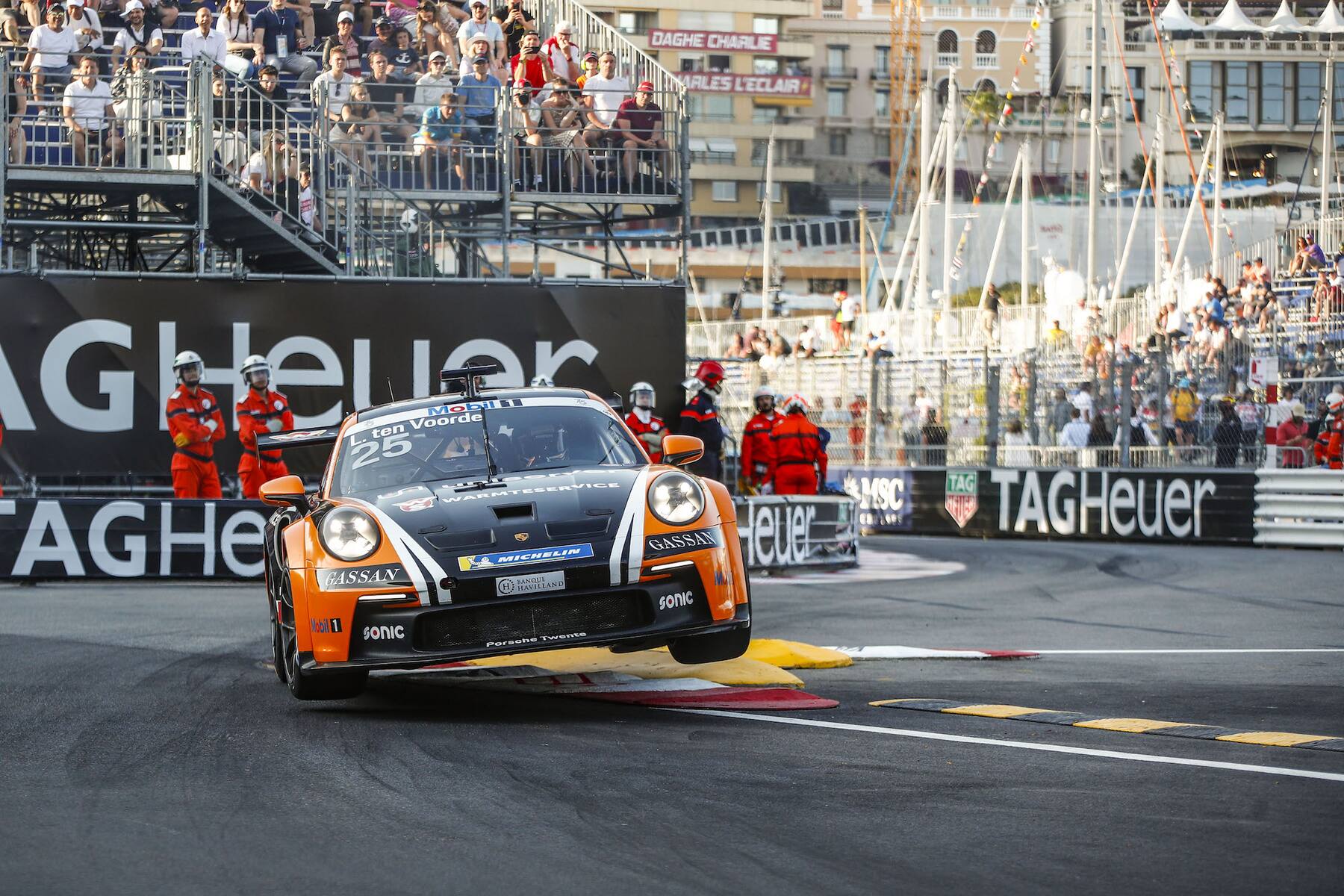
In modern motorsport, knowledge is no longer the differentiator.
Today, almost every serious driver can train on simulators, analyse data, and arrive prepared. Access to tools has increased. The result is that many drivers now develop similar knowledge and similar baseline skill.
What decides performance now is mental state. Under pressure, the key question is not what you know in theory, but whether you can observe clearly, take responsibility, sharpen your task, and stay out of the stories that justify a poor lap, a poor session, or a poor race.
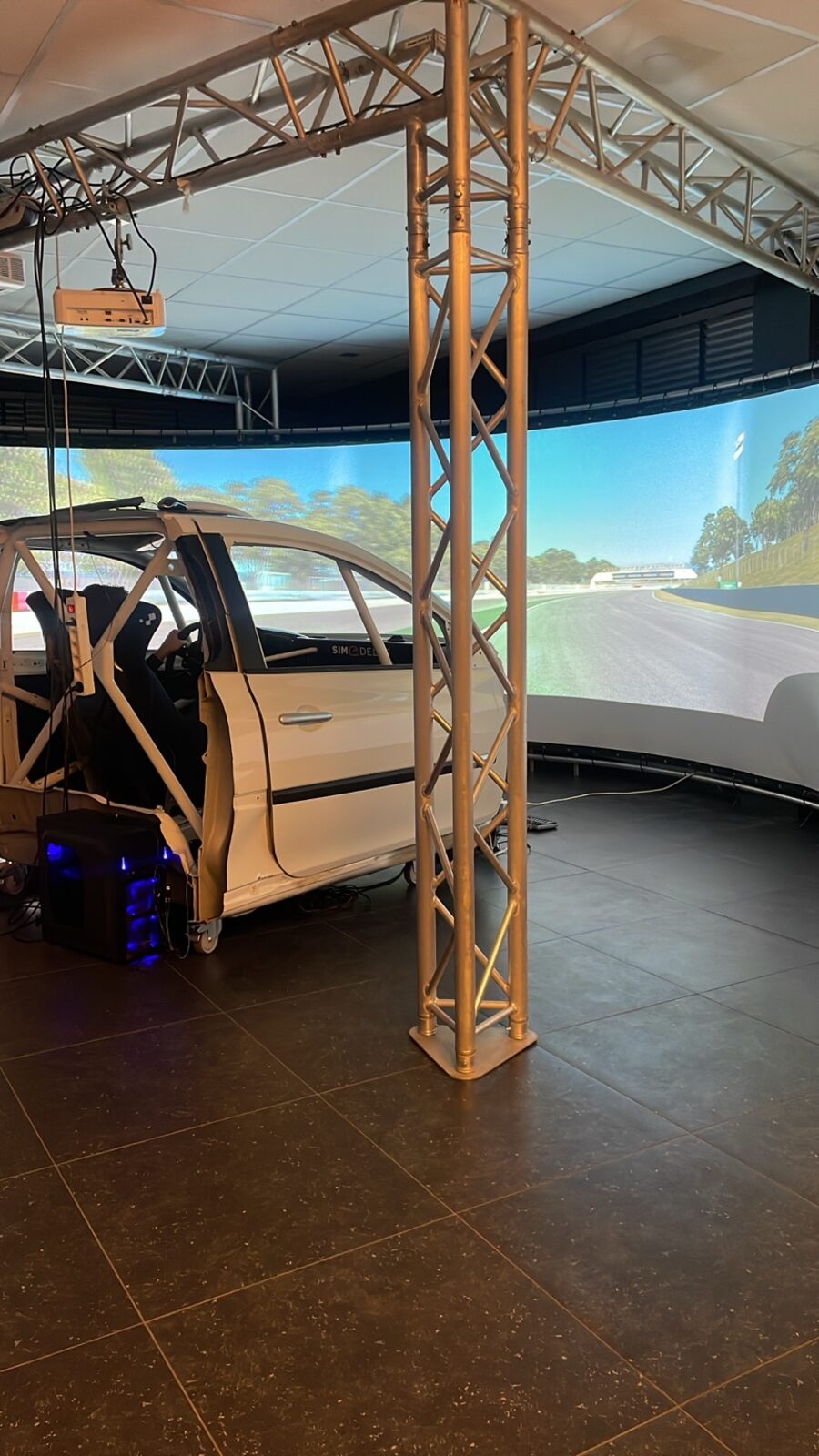
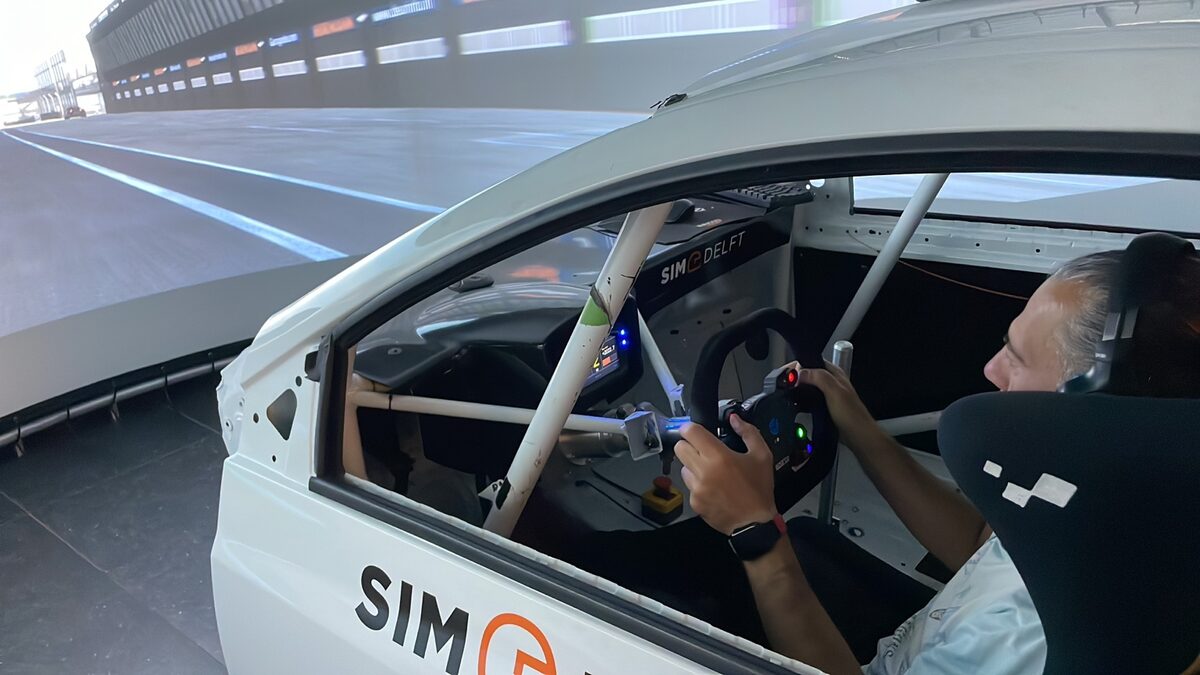 Inside the SimDelft rig
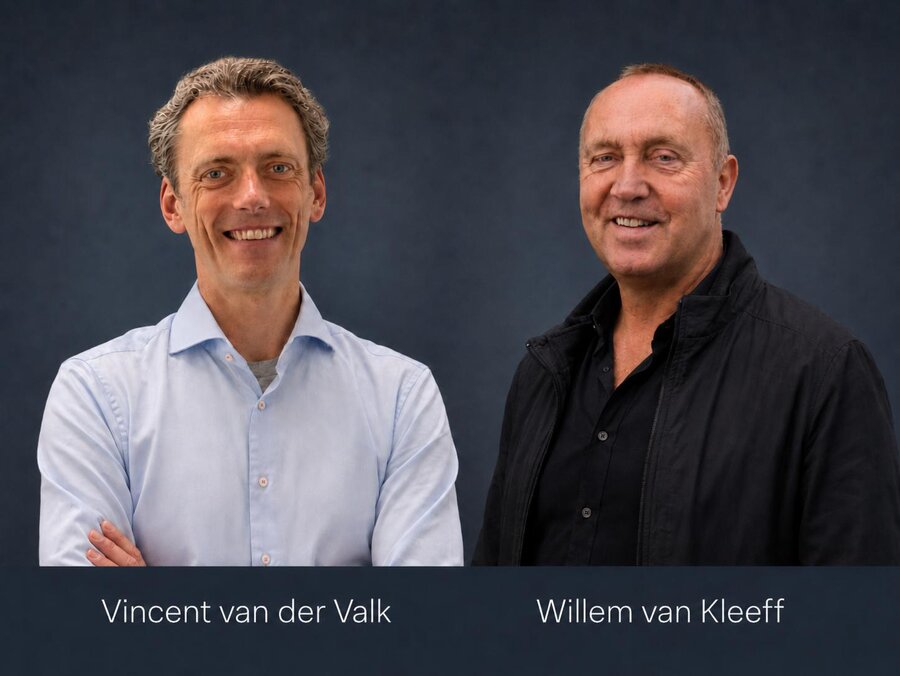
Experience behind the method
Vincent (Porsche Supercup, Formula cars, VLN and GT3) and Willem (squash, bobsleigh, tennis, and ice skating) combine their extensive experience in (motor)sport.
They have developed a new paradigm focused on the entire performance process — a process that starts with personal responsibility and places communication in a key role.
These are universal skills: the foundation of performance in sport, work, and life.
Responsibility
Own the performance. No excuses.
Observation
See what is actually happening.
Task Focus
Turn intention into a clear, executable task.
Communication
Use language that improves action.
Self-Reflection
Review honestly and improve continuously.
Training approach
More training helps only when the training is directed. Repetition without focus creates comfort; comfort is useful for confidence but it does not automatically create growth. In our sessions the simulator is used to make the driver specific, accountable and present.
Responsibility under pressure
What is my part, what can I influence, and what is the next action?
Observation before interpretation
Describe the car, track and behaviour before creating a narrative. Good decisions start with clean observation.
Task discipline
Each run has a precise objective: one corner, one phase, one behaviour. This turns simulator time into development instead of repetition.
Mental state
Pressure, comparison and disappointment are part of professional sport. The driver learns to operate while uncomfortable.
Reflection without self-defence
After a poor run, the question is not how to justify it. The question is what changed, what was missed, and what the next lap requires.
Programme setup
Intake / first session — half day
Establish current level, performance patterns, strengths and recurring blocks.
Development programme — five half-day sessions
Spread across two months: simulator work, performance debrief, mental-state training, communication and reflection.
Location
Simulator sessions at Rhoon. Start times: morning 09:30 or afternoon 13:00.
Outcome
A driver who does not only know more, but performs with sharper tasks, better responsibility and fewer self-protective stories.
Every programme starts with an intake session.
From there we scope a development programme to your calendar and goals — including optional track-side or race-weekend support. Get in touch for availability and investment.